

Dental abbreviations: what your treatment plan says to a patient
The short version
-
In a dozen characters a chart line names the tooth, the surfaces and the material, and any colleague can read it. The patient reading the same line gets a number, three capital letters and a price.
-
Dental abbreviations are shorthand for the clinical record, built for speed and precision between professionals. The trouble starts when a line is copied from the record into the document the patient takes home: it keeps its precision and loses its reader.
-
Eight abbreviations turn up on plans, quotes and referral letters, MOD, RCT and PFM among them. Each has a wording a patient can read without help: SRP, for one, is a deep cleaning below the gum line.
-
Clinical language loses patients even when it is spoken: in a British Dental Journal study, over a third of patients confused sedation with a general anaesthetic. In another study, the same medical message was understood significantly better in plain language than in jargon, in every pair.
-
A patient who cannot read a line cannot weigh it, so the decision gets made on the price, the one part they understood. The plan is also the document that travels: it gets read again at the kitchen table, with nobody there to translate.
-
Keep the shorthand in the clinical record and write the patient’s plan in words: name the tooth by where it is, the procedure by what it does and the material by what the patient will see, with the reason next to the price. The chart stays as exact as it was.
Exact in the chart, unreadable at the kitchen table
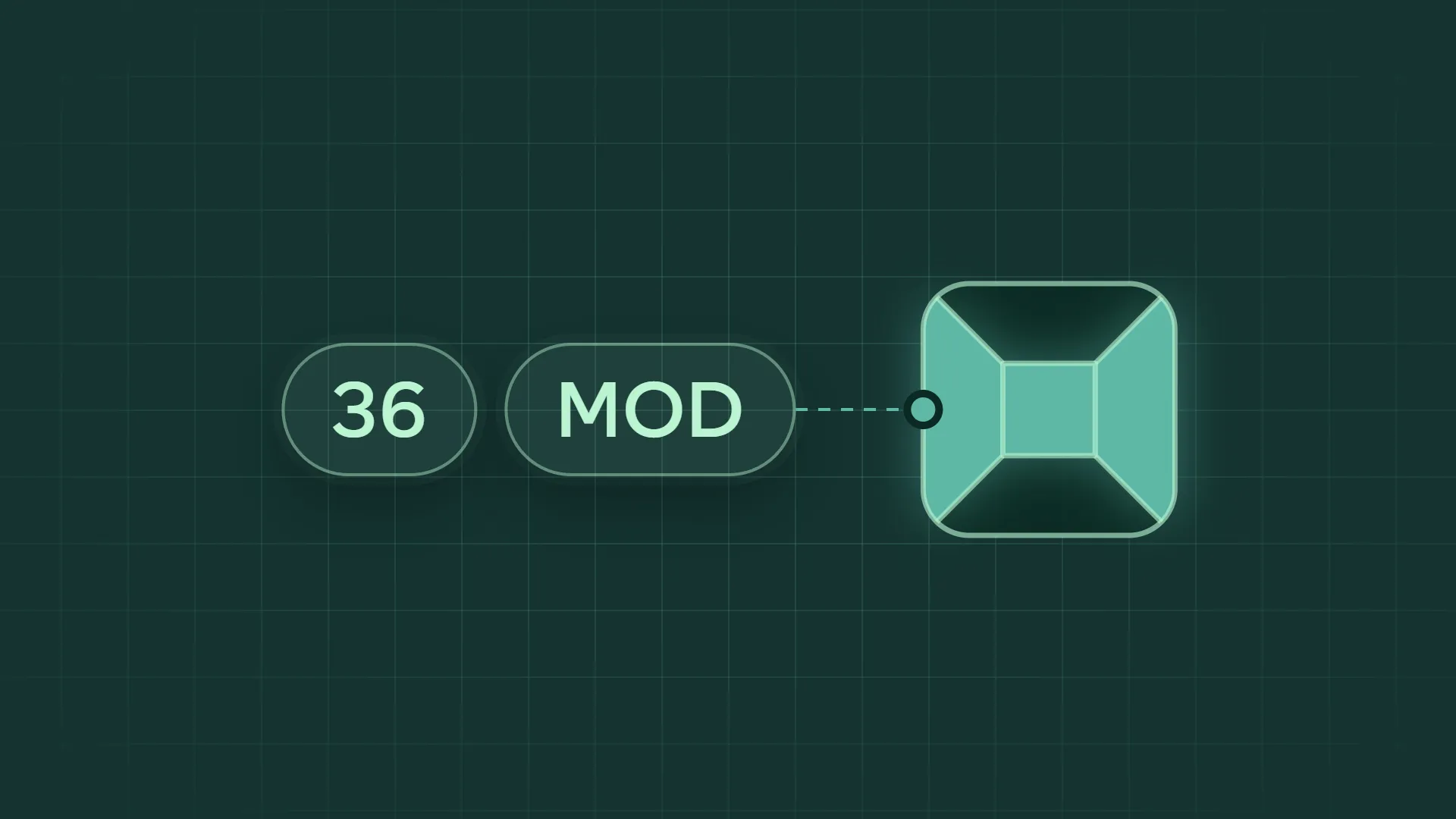
“36 MOD comp.” is a complete sentence to you. Like all dental abbreviations, it is built for speed: it names the tooth, the surfaces and the material in a dozen characters, and any colleague could pick up the chart and carry on.
Your patient reads the same line on the sheet you hand over and gets a number, three capital letters and a price. The shorthand was made for the clinical record. It does its job there, and it fails the moment the same line is used to explain a treatment to the person paying for it.
What dental abbreviations are for
Dental abbreviations are shorthand for the clinical record. They compress tooth numbers, surfaces, materials and procedures so that another clinician can read a chart at a glance. Speed and precision between professionals is the whole point, and nothing about them was designed for a reader without training.
The trouble starts when the chart’s language leaks into the document the patient takes home. A line copied from the record into a plan or a price quote keeps its precision and loses its reader.
The dental abbreviations patients meet most often
These eight turn up on plans, quotes and referral letters. Each has a wording a patient can read without help.
| Abbreviation | Stands for | What a patient can read |
|---|---|---|
| 36 | Tooth 3-6 in FDI notation: lower left, sixth from the middle | Your lower left first molar |
| MOD | Mesial, occlusal, distal | Three surfaces of the tooth: the biting surface and both sides that touch its neighbours |
| RCT | Root canal treatment | Cleaning and sealing the inside of the tooth’s roots |
| PFM | Porcelain fused to metal | A crown with a metal core under tooth-coloured ceramic |
| FPD | Fixed partial denture | A bridge: a fixed replacement held by the neighbouring teeth |
| SRP | Scaling and root planing | A deep cleaning below the gum line |
| OPG | Orthopantomogram | One X-ray that shows both jaws and all the teeth |
| BW | Bitewing | A small X-ray that finds decay between the back teeth |
Clinical language loses patients even when it is spoken
In a British Dental Journal study of 137 oral surgery and oral medicine patients1British Dental Journalnature.comBritish Dental JournalOpen the source, understanding of 18 common terms varied widely, and over a third confused sedation with a general anaesthetic. Those were spoken words, with a clinician in the room to ask. An abbreviation on a sheet has nobody beside it.
Plain wording fixes more than it seems it should. When researchers gave 215 adults the same medical message in jargon and in plain language2PubMed Centralpmc.ncbi.nlm.nih.govPubMed CentralOpen the source, the plain version was understood significantly better in every pair, and the jargon was often read as the opposite of what the clinician meant. Nor is this a problem of a few patients: in a survey across eight European countries, almost one in two respondents had limited health literacy3PubMed Centralpmc.ncbi.nlm.nih.govPubMed CentralOpen the source.
Why shorthand fails on a plan
A patient who cannot read a line cannot weigh it. The price next to it stays legible, so the decision gets made on the one part of the line they understood.
A tooth-coloured filling on three surfaces of your lower left first molar.
Shorthand is exact between clinicians. On a patient’s plan, the only part still legible is the price.
That is also the document that travels. The plan goes home, gets read again at the kitchen table and gets shown to whoever shares the budget, with nobody there to translate. What the patient holds at that moment does the explaining for you, or fails to.
Keep the code for the chart and write the sentence for the patient
The clinical record and the patient’s plan are two documents with two readers. Keep the shorthand in the first. In the second:
- Name the tooth by where it is, not by its number alone.
- Name the procedure by what it does.
- Name the material by what the patient will see.
- Put the reason next to the price, in the same line of sight.
None of this means writing less precisely. The chart stays as exact as it was. The patient’s copy says the same thing in words the patient already knows.
At Plandentic, the two are separate by design. You plan on the tooth chart, and the patient opens a plan written for the person deciding, with each procedure written out in words, shown on their own teeth and explained where it needs explaining. That is what we mean by dental treatment plan software: the clinical plan stays yours, and the patient gets a version they can read.

